

Just innews timeline
- 2 months ago
- 2 months ago
- 2 months ago
- 2 months ago
- 2 months ago
- 2 months ago
- 3 months ago
- 3 months ago
- 3 months ago
- 3 months ago

Recent Articles
Dari RAKAN Sarawak

Rukun sebagai Nadi Kehidupan Masyarakat Bidayuh Salako
Dalam dunia moden yang semakin kompleks, rukun mungkin dilihat sebagai sesuatu yang tradisional. Namun bagi masyarakat Bidayuh Salako, ia tetap hidup dan diamalkan, ditafsirkan, dan diwariskan dari satu generasi ke generasi seterusnya.
Dari RAKAN Sarawak
Kelahiran Penuh Makna Masyarakat Salako
Bagi masyarakat Salako di Kampung Pueh, kelahiran seorang anak tidak pernah dianggap sebagai peristiwa biasa. Sejak dahulu hingga kini, setiap kelahiran diraikan sebagai sesuatu yang istimewa dan bukan sekadar hadirnya seorang bayi, tetapi lahirnya sebuah permulaan, kesinambungan warisan, dan harapan baharu yang menghidupkan identiti orang Salako.
Dari RAKAN Sarawak
Empowering Sarawak’s Rural Communities for Sustainable Indigenous Prosperity
Sarawak’s community initiatives eradicate poverty, aligning with PCDS 2030, SDGs, and ESG goals.
Grassroots empowerment via cooperatives and digital hubs transforms vulnerabilities into assets.
This ensures equitable prosperity and stability for indigenous rural populations, fostering sustainable growth across the state.
Dari RAKAN Sarawak
Preparing Sarawak’s Veterinary School for a Resilient Future
Sarawak’s new veterinary school addresses critical workforce shortages and zoonotic threats like rabies. However, success requires sustainable funding, rural retention incentives, curriculum localization, and a formal One Health framework to translate academic output into field-level impact.
Dari RAKAN Sarawak
From Fragmented Welfare to Systemic Inclusion
Sarawak's community initiatives foster collective participation through digital literacy, economic empowerment programmes, and collaborative governance frameworks. Sustainable inclusion demands transparent resource allocation, culturally attuned policies, and meaningful civic engagement ensuring all voices shape equitable, resilient, and prosperous neighbourhoods across the state.
Dari RAKAN Sarawak
Building an Inclusive, Resilient Future for Every Generation
By prioritising lifelong well-being, bridging digital gaps, and nurturing intergenerational bonds, Sarawak turns demographic change into a catalyst for inclusive, sustainable communities where every person can thrive with dignity and purpose, supported by strengthened care systems and empowered local networks.

discover
Infographic
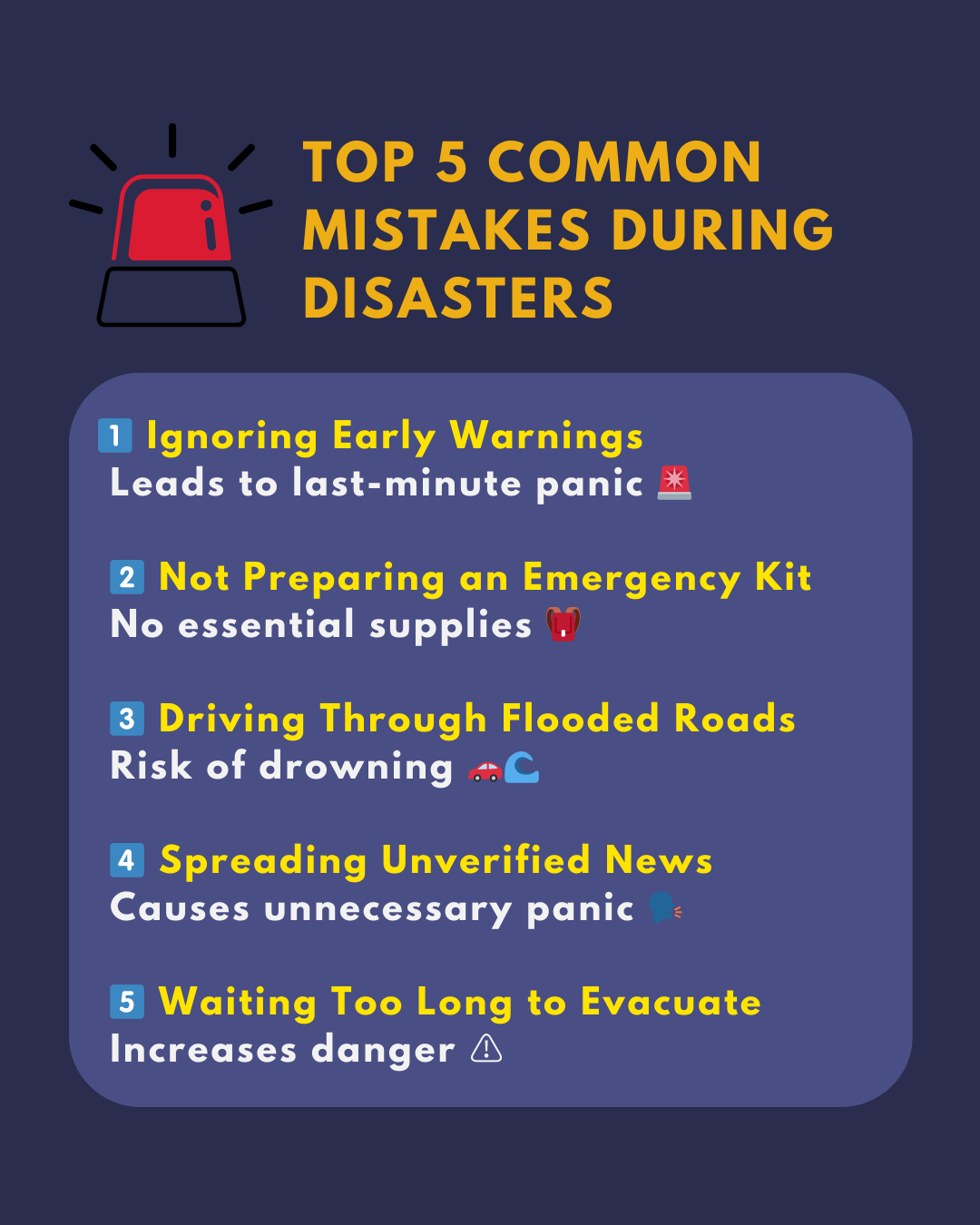
Avoid common disaster mistakes: Heed warnings, prepare an emergency kit, avoid flooded roads, verify news, and evacuate on time
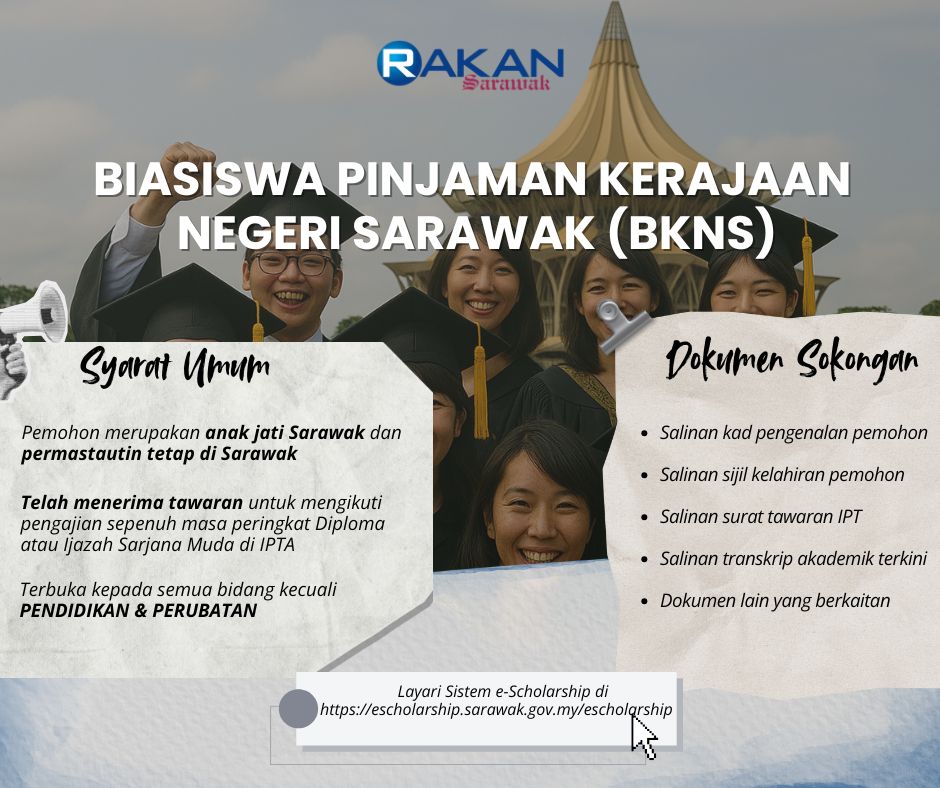
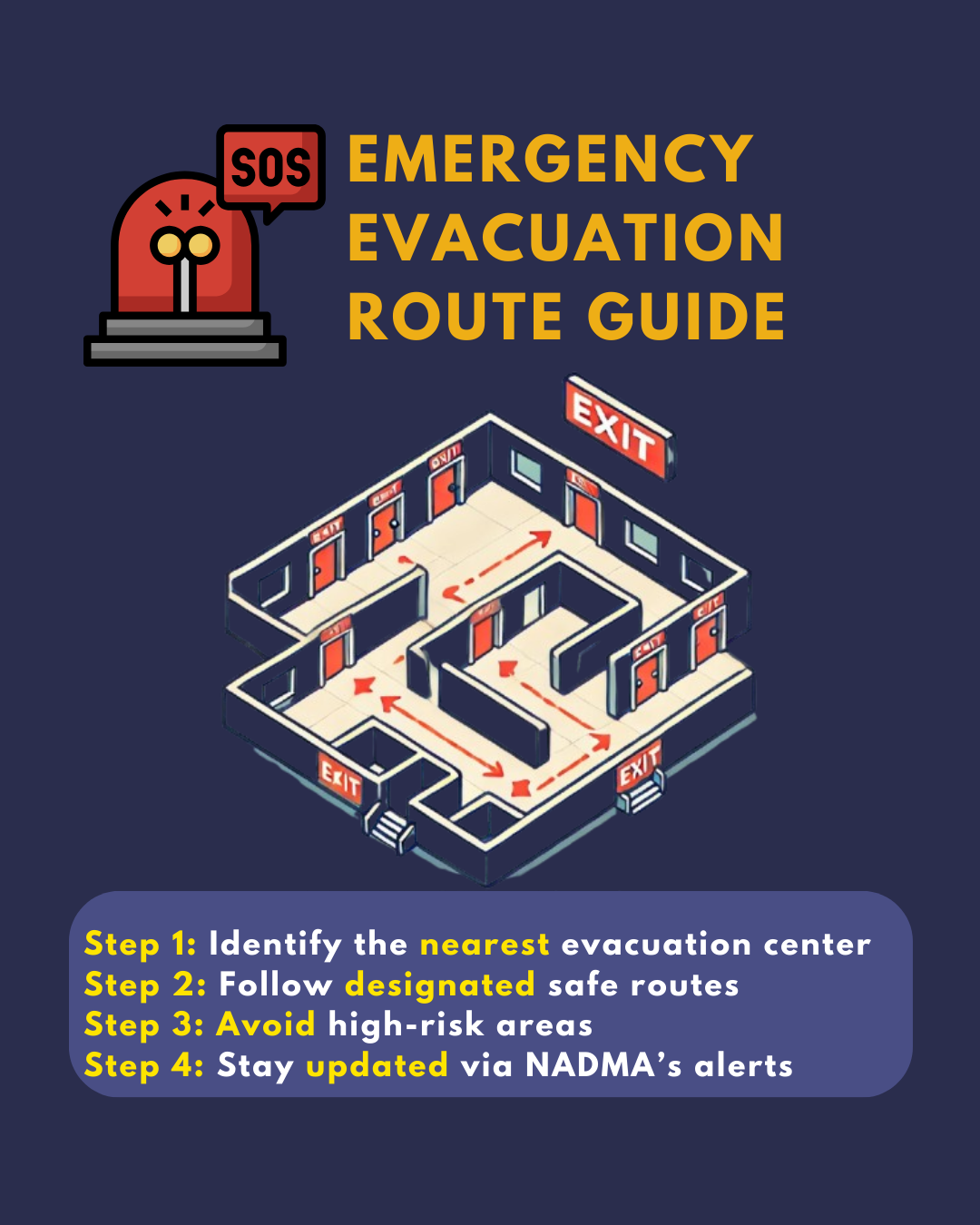
Emergency evacuation guide: Locate the nearest center, follow safe routes, avoid danger zones, and stay updated with NADMA alerts
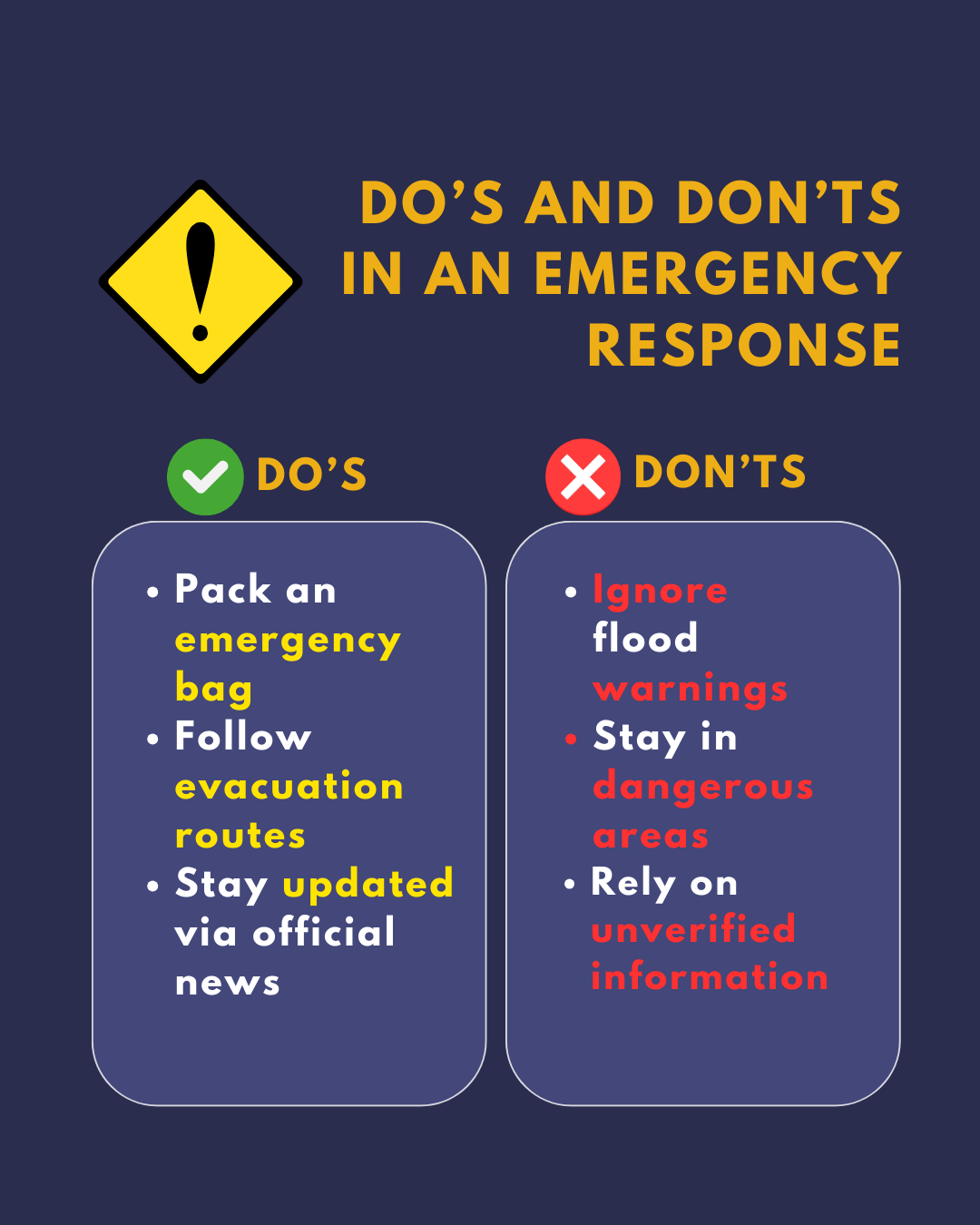
Essential emergency response tips: Pack an emergency bag, follow evacuation routes, stay updated, and avoid misinformation during crises
Explore more articles

Dari RAKAN Sarawak

Cultivating Ecosystem Understanding
Students and rural communities in Sarawak, equipped with traditional ecological knowledge, are becoming agents of change in environmental conservation education. Through the PALS (Environmental Lovers Club) and RAS (Environmental Partners) programs, they integrate inherited wisdom with modern science, empowering biodiversity conservation efforts, environmental quality monitoring, and fostering sustainability for future generations.
Dari RAKAN Sarawak
Strengthening Sarawak’s Digital Shield
Sarawak Government agencies strengthen cybersecurity readiness through CyberSarawak's 3S Programme (Stay Safe, Stay Smart, Stay Secure) ensuring resilient digital infrastructure, empowered civil servants, and coordinated incident response to safeguard public services and enable inclusive, trusted participation in Sarawak's digital economy transformation.
Achievements

JTS Sarawak Terus Cemerlang di MTE 2026: Inovasi Digital Bukti Kesiapsiagaan Negeri Hadapi Cabaran Global
Kejayaan JTS Sarawak meraih emas dan perak di MTE 2026 membuktikan inovasi digital seperti COMMANDS dan Poletervation menjadi pemangkin kesiapsiagaan negeri. Pengiktirafan antarabangsa ini memperkukuh reputasi Sarawak sebagai peneraju sektor awam global, selaras aspirasi PCDS 2030 menghadapi cabaran era digital.
Dari RAKAN Sarawak
Sungai Asap Elevation to Apau Koyan District Status
Upgrading Sungai Asap to Apau Koyan district enhances service delivery by decentralising administrative functions, reducing response times for healthcare, education, and welfare services, and enabling locally-tailored development planning that better addresses the unique needs of interior Sarawak communities.
Dari RAKAN Sarawak
Must Learn to Listen: Driving Transformative Progress
Since 1963, the Sarawak Civil Service has driven transformative development through infrastructure expansion, economic stabilization, and digital modernization. By bridging the gap between visionary policy and impactful execution, the service has navigated decades of challenges to foster a resilient and prosperous society. Today, it stands as a model of administrative excellence, having successfully transitioned Sarawak from a developing region into a modern, high-income powerhouse within Malaysia.
Dari RAKAN Sarawak
Rethinking Sarawak Civil Service for Future-Ready Excellence
Through Revisit and Rethink, the Sarawak Civil Service audits outdated regulations and reimagines workflows to eliminate red tape, streamline approvals, and accelerate digitalization.
This strategic approach drives efficiency, enhances citizen-centric service delivery, and aligns with the state’s vision for developed status by 2030.